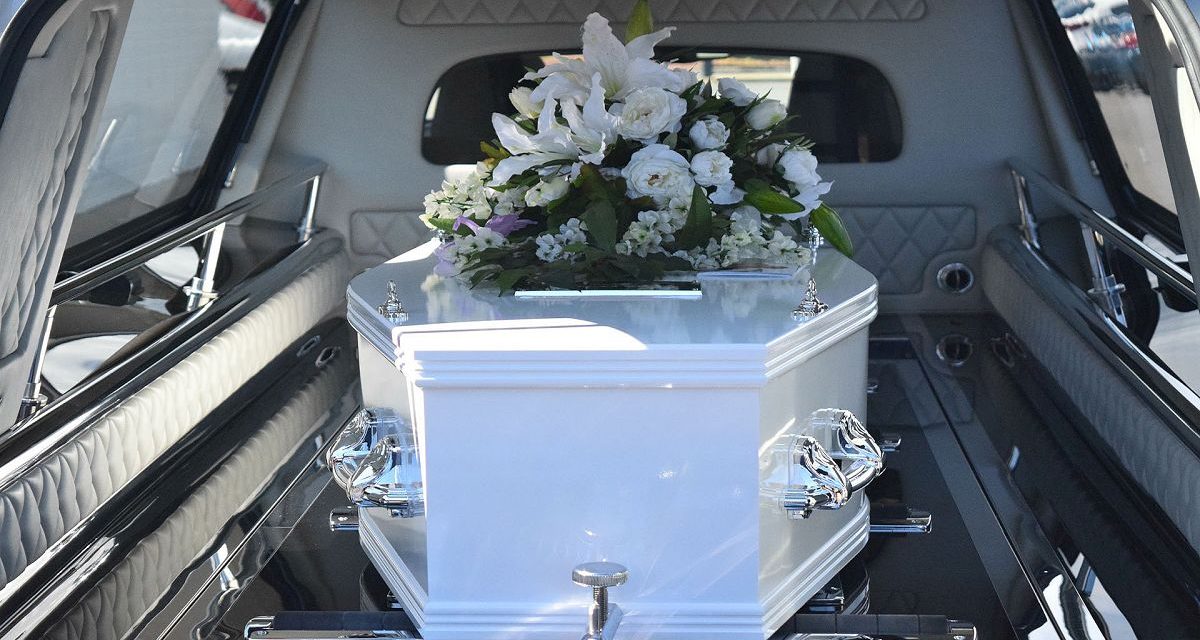
As we consider the issue of bringing the casket of the deceased into the church at a funeral, let us remember that this body is the beloved remains of someone. It was loved and cared for until the time of death. This issue needs to be handled with sensitivity and the utmost of care, less we cause hurt and pain.
If we look at Scripture there is the prohibition to touch a dead body, and if someone does that he will be unclean for a specific time. The verse that spells it out clearly is Numbers 19:11 – “He that toucheth the dead body of any man, shall be unclean seven days”. We must remember that this was during the Israelite move from Egypt to the Promised Land. They were in the wilderness with no facilities to bury, extreme heat and no way of keeping a dead body. There was the danger of disease and contamination, and this was mainly a health measure for the time. Other verses that speak about this issue is found in Leviticus 21:11, where priests are prohibited to touch a dead body. In Numbers 9:6-10 there is a case where some men asked permission to take part in the Passover after being defiled by a dead body and the request was granted. Numbers 6:6 also tells us that a person taking a Nazarite vow should not, during this time, touch a dead body.
All of these texts, as is very clear, fall in the same time category – the trek from Egypt to Canaan. Therefore specific measures for a specific time. Leviticus 14 (leprosy) and Leviticus 15(women that menstruate) deals with other aspects of uncleanness and that is not upheld now; another issue that was a problem during the Egypt move.
The rest of the Bible is actually quiet about the issue, except to mention different people actually touching dead bodies.
- In Genesis 50:1, Joseph, as his father dies, “falls upon his father’s face, and wept upon him, and kissed him”. No problem with any uncleanness here. Joseph’s body was embalmed to take back to Canaan, mainly done by Egyptians, but still no mention of problems there.
- Elisha, in 2 Kings 4, comes to the room where the young son of the widow of Shunem died and the Bible is clear, he prostrates himself on the boy’s body.
- In the New Testament Jesus set us the example, touching the body of the widow of Nain’s son to restore him to life(Luke 7).
- There was also no problem with the body of Lazarus as he was brought back from death to life.
- The body of Jesus would definitely have been touched to put the spices and ointment on Him(Luke 23 and 24). It was not necessary in the end, but that was the aim of buying these spices and ointment.
As we consider this very sensitive issue, let us not burden mourners further by prohibitions, but let us allow the casket with the deceased’s body to enter our churches for burial. Nowhere does it say that we will defile the sanctuary.