ARE DRUMS SUITABLE TO WORSHIP GOD?
The act of worshipping God is defined as:
The act of paying divine honours to the Supreme Being; religious reverence and homage; adoration, or acts of reverence, with supreme respect and veneration; to perform religious exercises in honour of; to adore; to venerate God.
To worship is to formally praise, honour, and declare one’s devotion to the supreme God; the Creator, Governor and Sustainer of all that has been created. Typical acts of worship include: singing hymns or psalms, preaching, praying, giving, and the Lord’s Supper.
Here we are concentrating in the worship aspect of music and singing and in particular to check out if Drums are fit instruments as an aid to producing a pleasant sound to the Lord.
The musical instruments that are approved by the Bible to produce joyful noise to the Lord are clearly stated in:
“1 Praise ye the LORD. Praise God in his sanctuary: praise him in the firmament of his power. 2 Praise him for his mighty acts: praise him according to his excellent greatness. 3 Praise him with the sound of the trumpet: praise him with the psaltery and harp. 4 Praise him with the timbrel and dance: praise him with stringed instruments and organs. 5 Praise him upon the loud cymbals: praise him upon the high sounding cymbals. 6 Let every thing that hath breath praise the LORD. Praise ye the LORD” (Psa 150:1-6).
We have here listed seven types of musical instruments:
- Trumpet – Shofar:
While leading the Israelites in their Exodus from Egypt, Moses ordered his metal smiths to fashion two long silver trumpets that could perform a variety of uses; signalling, summoning assemblies, sounding the alarm, and initiating celebrations (Numbers 10:1-10).
- Psaltry and harp or Kinnor:
A plucked string instrument translated variously as harp, lyre, or cythara, and mentioned on a number of occasions. The frame was made of wood, occasionally trimmed with amber, and the strings made either of twisted grass or sheep gut. This was the instrument the Israelites hung on the willows by the rivers of Babylon during the Second Exile. Evidently there were a number of types, some quite elaborate, for one Psalm mentions in a single verse the harp, the psaltery, and “an instrument of ten strings” (Psalms 137:2, Psalms 33:2).
- Organ – Pipe:
A simple shepherd’s instrument, probably single-reed and apparently widely used. “The people piped with pipes” when King Solomon was anointed by Zadok the Priest (1 Kings 1:40). The organ was the other instrument mentioned in Genesis 4:21. This instrument is not mentioned in the list of the musical instruments used in the temple and was not an organ, but rather a shepherd’s pipe or flute. The only reference to it in: Job 21:12; 30:31 and in Psa 150:4.
- Timbrel, or Tabret.
A hand held mini-drum that resembled a tambourine. The tambourine consists of a wood or metal shell ranging from two to three inches in depth and seven to twelve inches in diameter. Tambourines usually have one or two rows of jingles, and sometimes small bells, mounted in pairs in the shell. The primary sound from the instrument comes from the jingles, not the head, although the technique of drumming on the head can be used to great effect. Moses’ sister Miriam played one to celebrate the crossing of the Red Sea (Exodus 15:20), also Psa 81:2; 149:3; Jdg 11:34; 1Sa 18:6. It was a percussion instrument but was carried by women so it was small in size, nothing like the huge modern band drums and its sound would have been not ear deafening.
- Stringed Instruments
The two stringed instruments that the Bible mentions are the kinnor and the nebel. The nebel was a bulky, but mobile, instrument that was very similar to a harp. There were probably several variations in the nebel, especially in regards to the number of strings on the instrument.
The nebel had anywhere from four to ten strings, which is seen in the headings of a few of the Psalms.
The kinnor is conspicuous among the instruments, not only because it was one of the first two instruments that Jubal contrived, but also because the kinnor was the instrument of King David.
The kinnor is similar to the lyre, while the nebel bears a closer resemblance to a harp. The kinnor, is exclusively associated with joyful occasions.
- Cymbal.
Cymbals are thin metal plates that are usually played in pairs and produce sound when struck together. When they are grated one against the other, cymbals produce a pleasing metallic rumble. The technique used when a single cymbal is called for is produced by striking it with a drumstick, or “rolling” with a soft mallet, usually felt-tipped. The only permanent percussive instrument in the temple orchestra was the cymbal. In the Holy Scriptures, the use of cymbals is solely confined to religious ceremonies. The “loud cymbals” were of a larger diameter than the “high (pitch) sounding,” and were two-handed cymbals. The high sounding cymbals were much smaller and played by one hand, the cymbals being attached to the thumb and the middle finger respectively.
A summary of singing and use of musical instruments in Psalms is tabulated below:
Sing Only |
Harp/s |
Psaltery |
Timbrel/s |
Trumpet/s |
Cymbal |
Drums |
| Psa 7:17 | Psa 33:2 | Psa 33:2 | Psa 68:25 | Psa 47:5 | Psa 150:5 | None |
| Psa 9:2 | Psa 43:4 | Psa 57:8 | Psa 81:2 | Psa 81:3 | ||
| Psa 9:11 | Psa 49:4 | Psa 68:25 | Psa 98:6 | Psa 98:6 | ||
| Psa 13:6 | Psa 57:8 | Psa 71:22 | Psa 149:3 | Psa 150:3 | ||
| Psa 18:49 | Psa 71:22 | Psa 78:70 | Psa 150:4 | |||
| Psa 21:13 | Psa 81:2 | Psa 81:2 | ||||
| Psa 27:6 | Psa 92:3 | Psa 87:7 | ||||
| Psa 30:4 | Psa 98:5 | Psa 89:19 | ||||
| Psa 30:12 | Psa 108:2 | Psa 92:3 | ||||
| Psa 51:14 | Psa 137:2 | Psa 108:2 | ||||
| Psa 59:16 | Psa 147:7 | Psa 144:9 | ||||
| Psa 59:17 | Psa 149:3 | Psa 150:3 | ||||
| Psa 61:8 | Psa 150:3 | |||||
| Psa 65:13 | ||||||
| Psa 66:2 | ||||||
| Psa 66:4 | ||||||
| Psa 67:4 | ||||||
| Psa 68:4 | ||||||
| Psa 68:32 |
Reference to sing only is far more present than also with instruments. There is no reference to actual drums although Timbrels can be likened to hand held mini-drums usually played by women.
DRUM – TOPHET
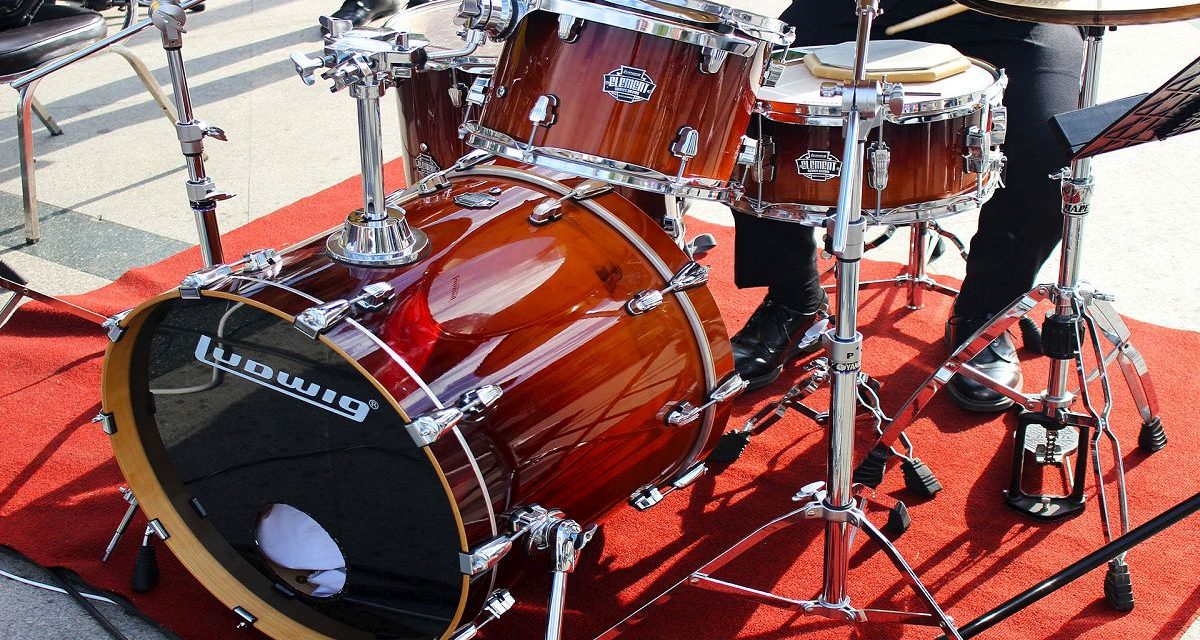
The drum is a percussion instrument, known in various forms and played throughout the world and throughout history. Essentially a drum is a frame over which one or more membranes or skins are stretched. It was known since the beginning of time, nevertheless it is not found in the Bible as an instrument in the worship of God. However, we see plenty of it in the satanic worship with the name of Tophet, the same as Topheth; from Hebrew: toph, “a drum,” because the cries of children here sacrificed by the priests of Moloch were drowned by the noise of such an instrument. Moloch was the god of the Ammonites, portrayed as a bronze statue with a calf’s head adorned with a royal crown and seated on a throne. His arms were extended to receive the child victims sacrificed to him. Moloch was a frightening and terrible demon covered with mothers’ tears and children’s blood. When a child was sacrificed to Moloch, a fire was lit inside the statue. The priests would then beat loudly on drums & other objects so that the cries of the roasted baby would not be heard. Such was the use of the Drums.
Extracts from Bible Guidelines for Music with many secular quotes; (by Terry Watkins)
The Bible lists many kinds of instruments (Psalms 150:3-5), yet one instrument is NEVER mentioned! The drum was a very common instrument in Egypt and the lands around Israel. Did the Lord just forget to include the DRUM or is there another reason? Is it because drums are associated with voodoo, shamanism, paganism and magic rituals?
Drums are “played to summon up magic powers” (The Illustrated Book of Signs & Symbols)… and are “used in shamanic rituals to heal people. It is believed that the shaman can communicate with the spirit world THROUGH DRUMMING.” (Musical Instruments). “Pagan dances and rituals are always accompanied by the incessant BEAT of DRUMS.” (Satan’s Music Exposed)
The standard of God remains—that musical instruments should be modest in character, limited in number, and that they should never be allowed to overwhelm the intelligent and sincere offering of worship voiced from the minds and hearts of believers.
Selected Messages, Book 2, pp. 18-19
“A new order of things has come into the ministry. There is a desire to pattern after other churches, and simplicity and humility are almost unknown. The young ministers seek to be original, and to introduce new ideas and new plans for labor. Some open revival meetings, and by this means call large numbers into the church. But when the excitement is over, where are the converted ones? Repentance and confession of sin are not seen. The sinner is entreated to believe in Christ and accept Him, without regard to his past life of sin and rebellion. The heart is not broken. There is no contrition of soul. The supposed converted ones have not fallen upon the Rock, Christ Jesus” {2SM 18.4}.
Music Is Made a Snare
“The things you have described as taking place in Indiana, …
[1. THESE COMMENTS WERE MADE IN CONNECTION WITH THE “HOLY FLESH” MOVEMENT AT THE INDIANA CAMP MEETING OF 1890. FOR FURTHER DETAILS, SEE SELECTED MESSAGES, BOOK 2, PP. 31-39.]
the Lord has shown me would take place just before the close of probation. Every uncouth thing will be demonstrated. There will be shouting, with drums, music, and dancing. The senses of rational beings will become so confused that they cannot be trusted to make right decisions. … A bedlam of noise shocks the senses and perverts that which if conducted aright might be a blessing. The powers of satanic agencies blend with the din and noise to have a carnival, and this is termed the Holy Spirit’s working. … Those things which have been in the past will be in the future. Satan will make music a snare by the way in which it is conducted”–2SM 36, 38 (1900).
John 4: 23, 24
“Yet a time is coming and has now come when the true worshipers will worship the Father in spirit and truth, for they are the kind of worshipers the Father seeks. God is spirit, and his worshipers must worship in spirit and in truth.”
There is nothing in the Bible, in the Writings [SOP], in the music guidelines of the GC that encourage us that he use of drums can upgrade the quality of music and elevates the spirit of worshippers inside the church, instead, it have the tendency to destroy the true purpose and spirituality of worship. It may energize our physical orientations and lifts our emotions. Yes. But that is not the kind of worship required from us.
The GC has presented it’s version of music guidelines. Let us embrace it with all humility because that is the voice from God regarding music. It is the light, the present truth [regarding music} God gives to His children today. We cannot be more intelligent than God himself. We should not bypass the counsels and guidelines on issues confronting us today. They are God-inspired counsels. True humility is the measure of true Christianity [Christ likeness].
Charles D. Brooks, director/speaker of the Breath of Life telecast, recently said: “I go all over, as you know, and I hear what is happening to the music of our church. One can see how we are shaping up for the final crisis. I fear that it is music that is going to divide our church. There will be a remnant who will remain steadfast, and those are the ones who will be persecuted, not only by the world, but by their former brethren.”
The Sacrifice of Praise God is saying to us, “Worship Me in psalms, hymns, and spiritual songs.” He is looking for expressions of worship in music that extol Him just because of who He is, that acknowledge His power, His love, and the many wonderful attributes that constitute His great character. Would He not be delighted to hear choirs raise their voices in anthems whose words come from the Scriptures themselves? The goal of worship is not to see how Black we can be; it is rather to show reverence and love to our God. The second coming of Jesus looms upon us. Our worship through music must conform to God’s will. In our prayers and in our music, God is the audience. He has never asked us to entertain Him-He has asked us to worship Him. Let us prayerfully consider the direction of our music, giving heed to the instructions and warnings of God, and take whatever steps are necessary to ensure that Black devotional music in the Seventh-day Adventist Church will continue to be a vehicle for the highest blessings of God! (BLACK SEVENTH-DAY ADVENTISTS AND CHURCH MUSIC by Alma Montgomery Blackmon, 44us.D.)
IN CONCLUSION
Singing is part of the worship requested and due to God the Almighty, but it is not all there is to worship. The acts of worship that are specified by God are: singing, preaching, praying, giving, and the Lord’s Supper (Colossians 3:16; 1 Timothy 2:1-2; Acts 20:7; 2 Timothy 4:2; 1 Corinthians 16:1-2). Worship must promote awe and reverence, spirituality and thoughtfulness. Joy must flow from the heart, and not be worked up by the excessive use of external helps.
God has given the human voice as the primary source of expressing singing worship, however He will accept also some musical instruments to aid the voice in its expression. There is no evidence that there are many musical instruments in heaven, yet there is music: “And I heard a sound out of Heaven, as a sound of many waters, and as a sound of great thunder. Also I heard a sound of harpers harping on their harps.” (Rev 14:2 LIT)
Scripture list those instruments that may be used, some instruments are never mentioned, such as the Drum, and it is best not to use them in our worship. The general rule is that all instruments are only an aid to the voice, not a supplanter or an overwhelmer thereof. The voice must be heard clearly over the instruments in its purity, musical instruments that are confusing and distorting must not be used.
Drums, although in wide use and well known in all history were never used to worship God because drums have always been associated with voodoo, shamanism, paganism and magic rituals, the church of Christ has no part with that.
References:
- albatrus.org/english/church–order/worship/drums_suitable_worship_god
- G. White: Selected Messages, Bk.2. pp.18-19; Washington DC; Review and Herald Bublishing Ass.1958
- Alma Montgomery Blackmon: Black SDA church music. oakwood.edu/goldmine/1doc/perspectives/perspective 21.pdf
- “Drums in the Church” posted by Jose, Sepr.5, 2008
- G. White: GC 464, (1911) “Satan’s last day deceptions”